
Cultural perceptions of gambling How society shapes our views and choices
The history of gambling stretches back thousands of years, with evidence found in ancient civilizations such as China, Egypt, and Rome. Initially, gambling was a social activity deeply embedded within cultural rituals and practices. For instance, the Chinese used keno slips as far back as 205 BC, indicating that gambling was intertwined with daily life and governance. Throughout history, societies have adapted gambling practices, reflecting their values, economic systems, and social norms. Today, popular platforms like https://brangocasino-nz.org/ shine a light on how far this history has evolved.
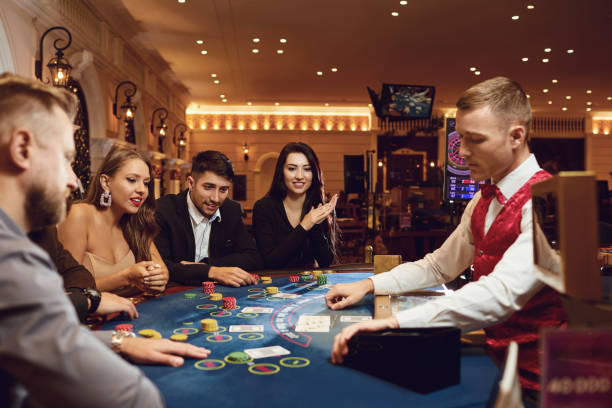
In Europe, the evolution of gambling mirrored societal changes, particularly during the Renaissance when casinos emerged as luxurious establishments. These venues represented not just entertainment, but also a status symbol for the elite. Gambling laws, often enacted by governments, shaped perceptions by either regulating or prohibiting the activity, thus influencing public opinion. This legal framework has had lasting effects on how various cultures view gambling today.
As nations industrialized, gambling found new platforms, transitioning from land-based casinos to online gaming. The emergence of the internet revolutionized accessibility, making gambling part of modern culture. This shift altered societal perceptions, making it both more normalized and controversial. The juxtaposition of traditional beliefs with modern practices showcases the complex relationship society has with gambling.
Culture plays a significant role in shaping attitudes toward gambling. In some societies, gambling is seen as a harmless form of entertainment, while in others, it is viewed as morally questionable or outright sinful. For example, in many Western countries, gambling has become mainstream, with extensive media coverage and celebrity endorsements promoting the activity. This acceptance reflects broader cultural shifts that embrace risk-taking and chance as part of individual liberty.
Conversely, in regions such as parts of Asia and the Middle East, gambling is often associated with shame and stigma. Many cultures emphasize collectivism and social harmony, leading to negative perceptions of gambling as a potential disruptor of family units and societal stability. These contrasting views highlight how deeply ingrained cultural beliefs influence societal attitudes, leading to differing acceptance and regulation of gambling activities.
Additionally, factors such as religion significantly influence cultural perceptions. In communities where religious doctrine frowns upon gambling, the stigma is more pronounced, and individuals may experience social pressure to conform. This intersection of culture and religion creates a unique landscape for gambling, affecting individual choices and community dynamics. Such perceptions inform local policies and individual behaviors, illustrating the intricate relationship between culture and gambling.
The media’s portrayal of gambling significantly affects public perception and societal choices. Television shows, movies, and advertisements often glamorize gambling, depicting it as an exciting and glamorous pursuit. This portrayal can lead to a normalization of gambling activities, especially among younger audiences who are impressionable. As gambling becomes more integrated into entertainment, individuals may develop an overly positive view, often overlooking the potential risks involved.
Moreover, the rise of online platforms has transformed gambling into a ubiquitous part of digital life. With mobile applications and websites accessible at any time, the barriers to entry have diminished, resulting in increased participation. This accessibility has shifted cultural norms, making gambling a common leisure activity. However, it also raises concerns regarding addiction and the ethical responsibilities of operators. The societal implications of these changes necessitate a reevaluation of how gambling is integrated into everyday life.
On the flip side, the media also plays a crucial role in raising awareness about responsible gambling and potential harms. Documentaries and campaigns that expose the darker aspects of gambling can alter perceptions and encourage a more critical view. This dual influence of media—both as a promoter and critic—creates a complex framework for understanding societal attitudes toward gambling, where enthusiasm is tempered by caution.
Socioeconomic status is a significant determinant of how individuals perceive and engage with gambling. In many cases, lower-income individuals may turn to gambling as a means of financial relief, often viewing it as a quick solution to economic hardships. This perception can lead to a cycle of gambling dependency, wherein individuals chase losses, creating more significant financial issues. Such dynamics emphasize how socioeconomic pressures can shape gambling behaviors, often resulting in negative social outcomes.
In contrast, those from higher socioeconomic backgrounds may engage in gambling as a recreational activity, viewing it as part of a broader lifestyle choice rather than a desperate measure. This distinction highlights the disparity in gambling perceptions, where financial stability allows for a more casual and responsible approach. The socioeconomic divide influences not only participation rates but also the overall cultural acceptance of gambling within different communities.
Furthermore, legislation and regulation often reflect these socioeconomic dynamics. Regions with higher poverty rates may face more relaxed gambling laws, perpetuating cycles of addiction and financial strain. Conversely, wealthier areas may have stricter regulations, often informed by social welfare considerations. This complex interaction between socioeconomic factors and gambling illustrates how society shapes perceptions and choices, leading to varying impacts across different demographics.
Brango Casino represents a modern example of how online platforms are influencing cultural perceptions of gambling. As an online gaming hub, it offers a vast array of games, appealing to a diverse audience eager for entertainment. Its user-friendly interface and generous promotions, such as welcome bonuses and free spins, reflect a growing trend of gamifying the gambling experience, making it more accessible to a wider audience.
This shift toward online gambling platforms like Brango Casino has made gambling increasingly normalized in society. With the convenience of playing from home, more individuals are drawn to try their luck, potentially changing public perceptions. However, the proliferation of online gambling also raises concerns about addiction and responsible gaming, necessitating ongoing discussions about how to balance entertainment with the need for social responsibility.
Ultimately, Brango Casino’s commitment to fair play and customer support positions it as a leader in promoting safe gambling practices. By prioritizing player welfare and transparency, it contributes positively to the evolving narrative around gambling in society. As perceptions shift, platforms that emphasize ethics and responsibility will play a crucial role in shaping the future landscape of gambling culture.

